

Hi OpenAI, I’m the new Product Design Manager you’re looking for.
AI is moving beyond chat interfaces into the foundational systems people use to work, create, build, pay, publish, automate, and make decisions.
The next design challenge isn’t about making AI more powerful, but about making highly complex AI systems understandable, trustworthy, and useful across consumer, enterprise, developer, and operational contexts.
That means designing interfaces for both human judgment and intelligent systems: data, permissions, workflows, automation, error states, and system feedback. These are the moments when people need confidence and control.
I've spent my career building exactly this.
At Amazon, I led design for data-heavy partner platforms spanning ingestion, publishing, analytics, marketing, and AI-assisted workflows.
At Google, I led UX strategy for conversational and multimodal AI experiences across a 1B+ device ecosystem.
At Undertone, I redesigned a machine-learning advertising operations platform that helped teams manage complex data, optimization, targeting, and delivery at scale.
Across 20+ years, I’ve built the teams, systems, and product foundations that turn complex technology into clear, trusted, high-craft experiences.
Selected Work
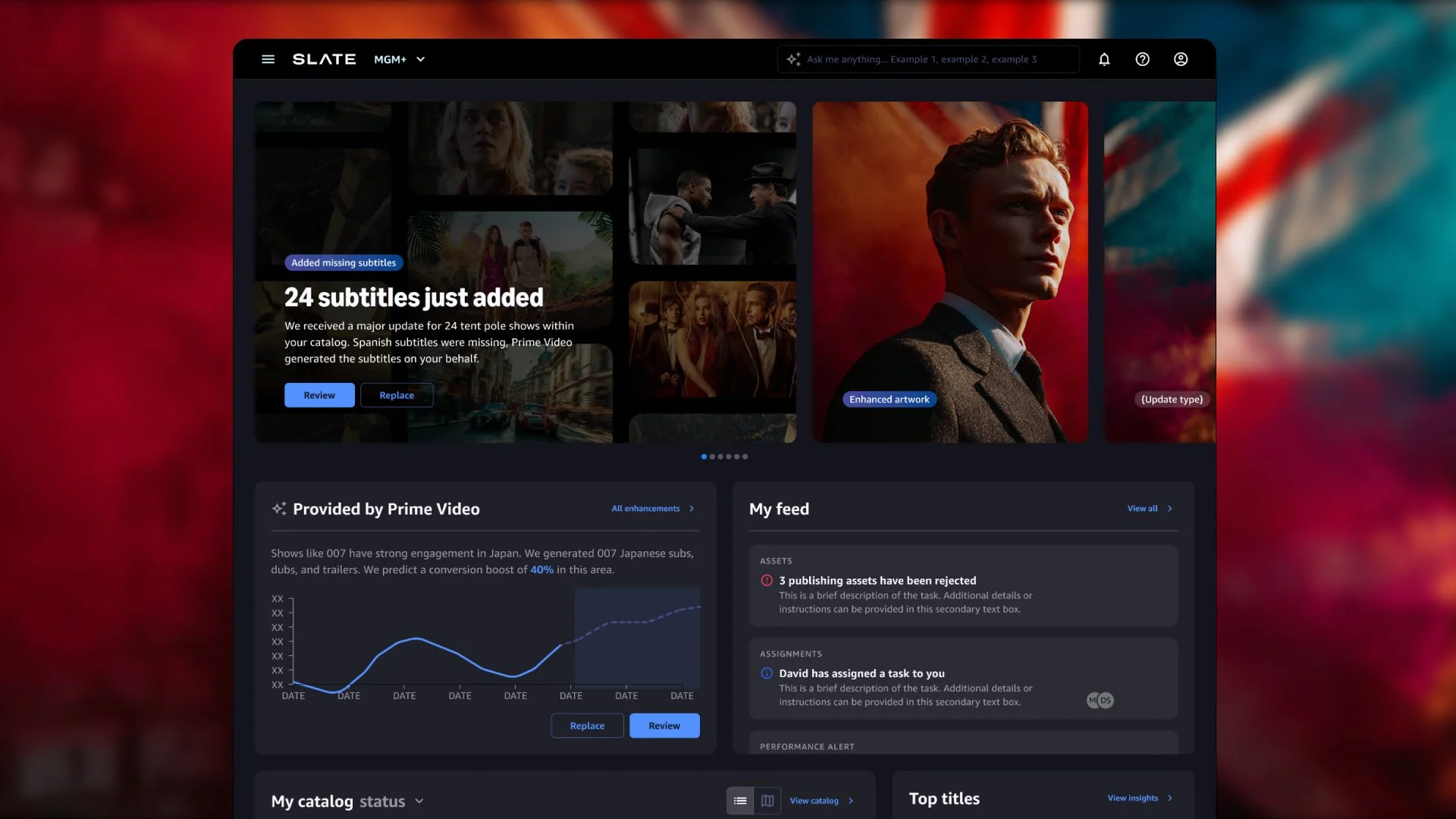
Amazon
Foundational platform for Prime Video’s global partner ecosystem
Challenge
Prime Video needed to unify fragmented tools across catalog ingestion, title management, publishing, artwork, promotional workflows, marketing, analytics, and partner operations. The experience had to make massive data sets, complex workflow states, errors, and dependencies understandable across different partner types and internal teams.
How I led
Led design & strategy for Slate 2.0 as a foundational platform across data-heavy tables, dashboards, catalog readiness, title detail pages, publishing flows, and AI-assisted content operations. Created scalable patterns that helped teams understand system state, identify issues, take action, and trust the platform. Evolved operational tooling into a strategic, AI-powered partner ecosystem.
Impact
Increased partner satisfaction +24% and on-time delivery +10%
Established a multi-year platform vision for Prime Video Partner Experiences.
Unified complex ingestion, publishing, analytics, artwork, and marketing workflows.
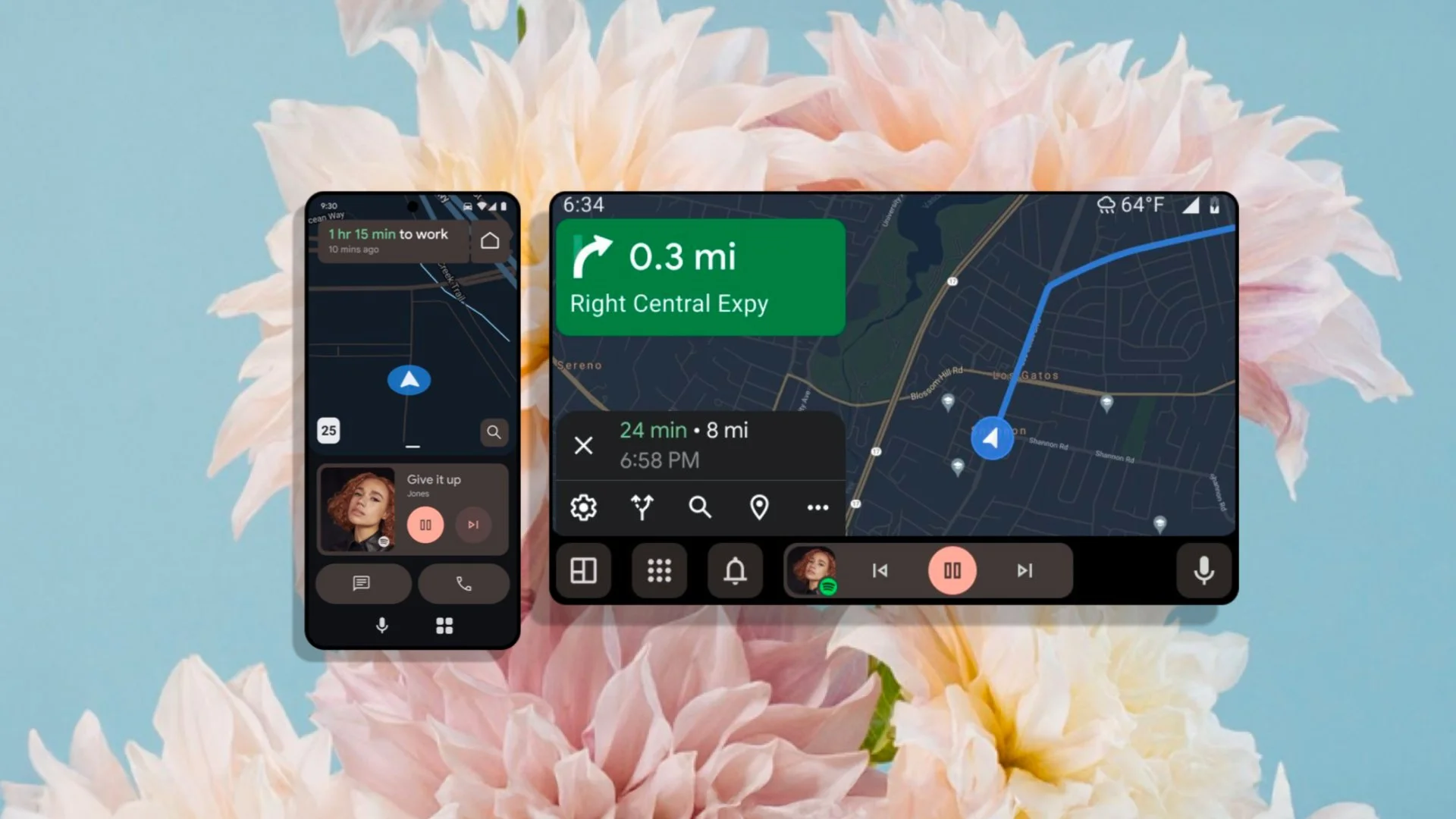
AI-native interaction strategy across a 1B+ device ecosystem
Challenge
The Google Assistant needed to make conversational and multimodal AI feel useful, consistent, and contextually aware across phones, TV, cars, and wearables. Emerging AI capabilities needed to be translated into product experiences people could understand, trust, and use at home or on the go.
How I led
Led UX strategy across a 200 person UX organization, defining interaction models for voice, screen, motion, context, and device handoff. Partnered with product, engineering, research, and policy teams to turn complex AI capabilities into scalable product patterns across automotive, wearables, TV, and mobile.
Impact
Shaped Google Assistant experiences and strategy across a 1B+ device ecosystem.
Defined scalable patterns for conversational, multimodal, and context-aware AI interaction that became org standards.
Aligned matrixed teams across emerging platforms, regulatory complexity, and rapidly evolving product paradigms.
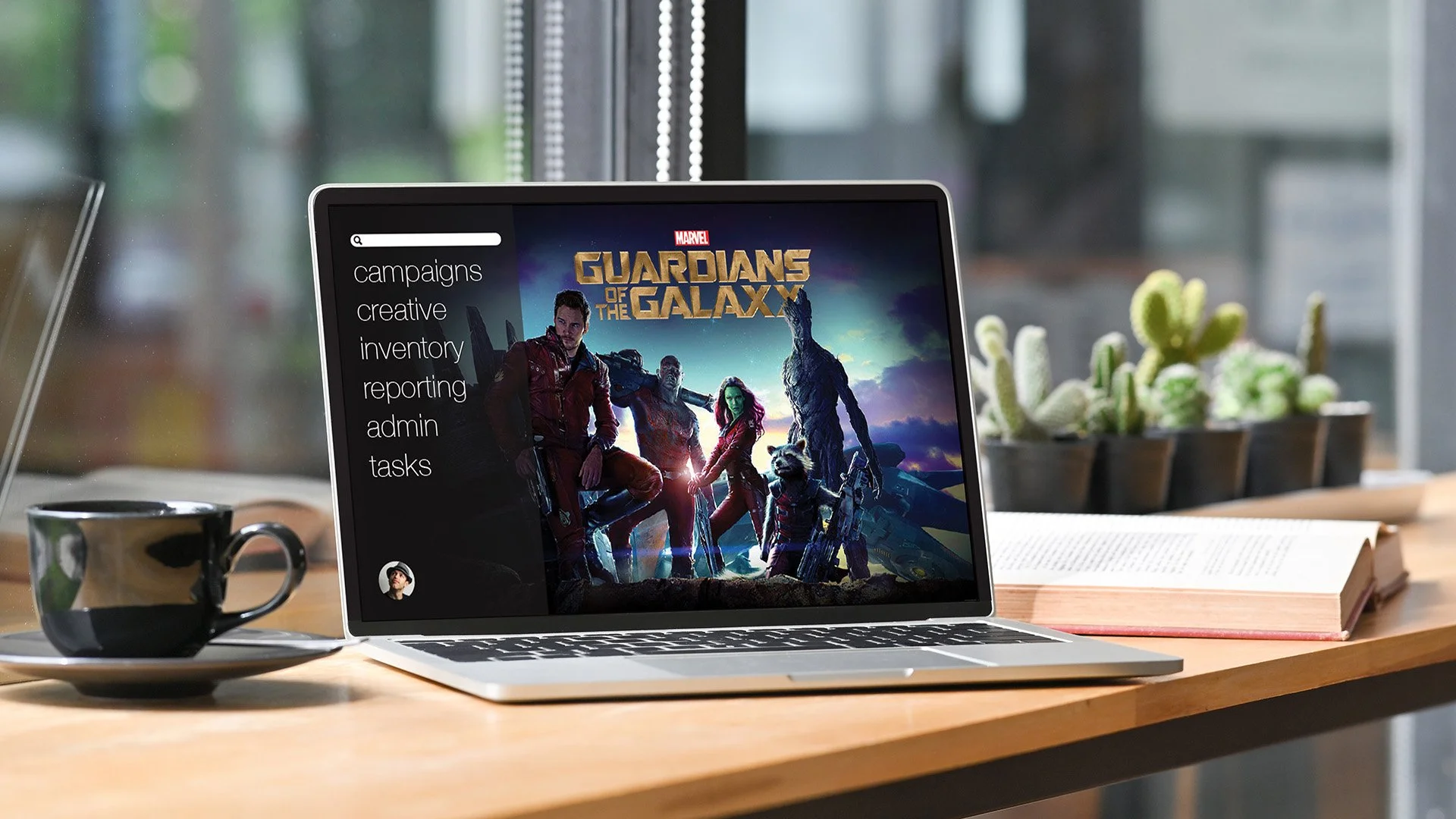
Undertone
ML driven advertising operations platform
Challenge
Undertone’s digital advertising network needed a redesigned system for campaign setup, inventory, delivery, optimization, reporting, and supply/demand operations. Teams had to manage high-volume data, machine-learning-driven recommendations, performance signals, and business rules without slowing campaign execution.
How I led
Redesigned the end-to-end Workflow platform into a clearer system for campaign delivery and optimization. Translated complex advertising logic, performance analytics, automation, and cross-team handoffs into tools that helped teams make faster, more confident decisions.
Impact
Increased campaign delivery and targeting performance by 150%.
Redesigned supply-side and demand-side operations into a scalable workflow system, unlocking support for additional ad formats.
Improved clarity across data-heavy setup, optimization, and reporting so teams could act faster with greater confidence.
How I Lead
I’m a hands-on design leader focused on making complex AI-era systems feel clear, trusted, and useful.
I build high-performing teams and the systems that help them do their best work, connecting craft, AI, product strategy, and technical complexity to create experiences people can understand, trust, and control.
Raise the craft bar
I stay close to the work: interaction models, system architecture, flows, content, visual details, and prototypes. My goal is not to be the bottleneck, but to help the team build a shared sense of what great looks like.
Build stronger designers
I invest in people as thinkers and future leaders, not just producers. The measure I care about most isn't only the product that shipped, it’s the designer who grew into a role they didn't think they were ready for.
Create operating clarity
Priorities improve. Collaboration gets cleaner. Teams become less reactive and more intentional. A lot of design problems are organizational problems in disguise, and untangling those often unlocks everything else.
Scale quality through systems
I'm not trying to be the reason the work is good. I'm trying to build the conditions where the team makes it great, and keeps doing it long after the conditions change. The measure of strong design leadership isn’t what happens while you’re there. It’s what the team becomes.
Why OpenAI
OpenAI is defining the next generation of product interaction, and creating the future of human-AI partnership.
The opportunity is to make AI easier to use while creating powerful systems that feel understandable, safe, and trustworthy across all the moments that matter. That’s the kind of challenge that not only helps people, but changes how we work, build, and create.
And even what we’re capable of.